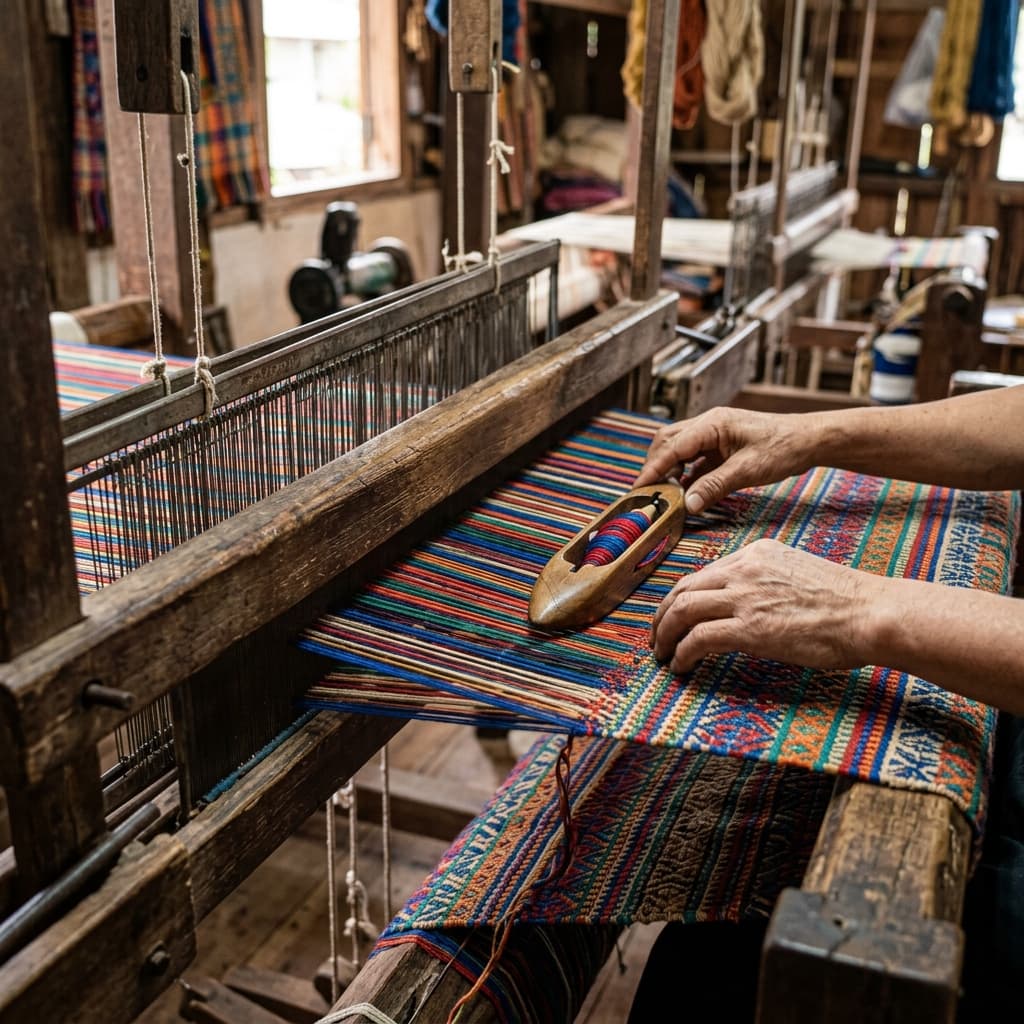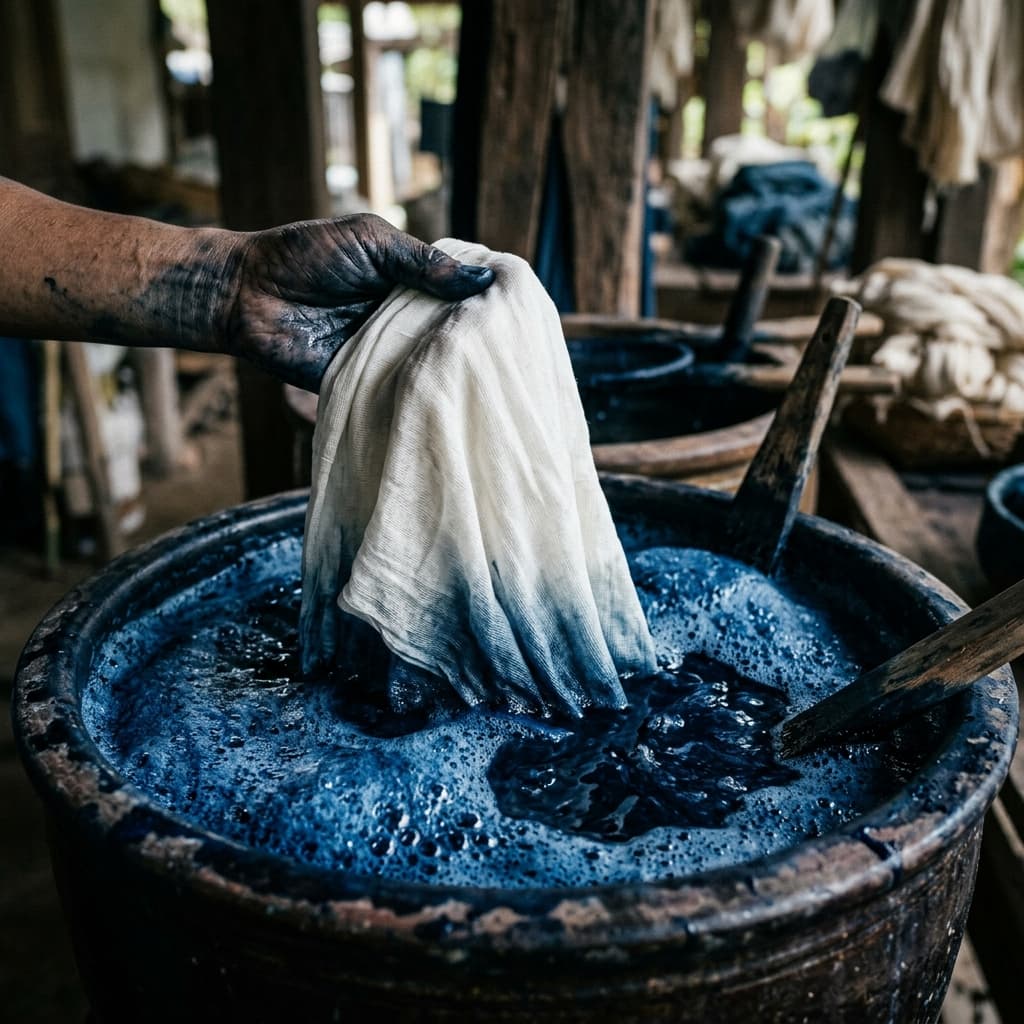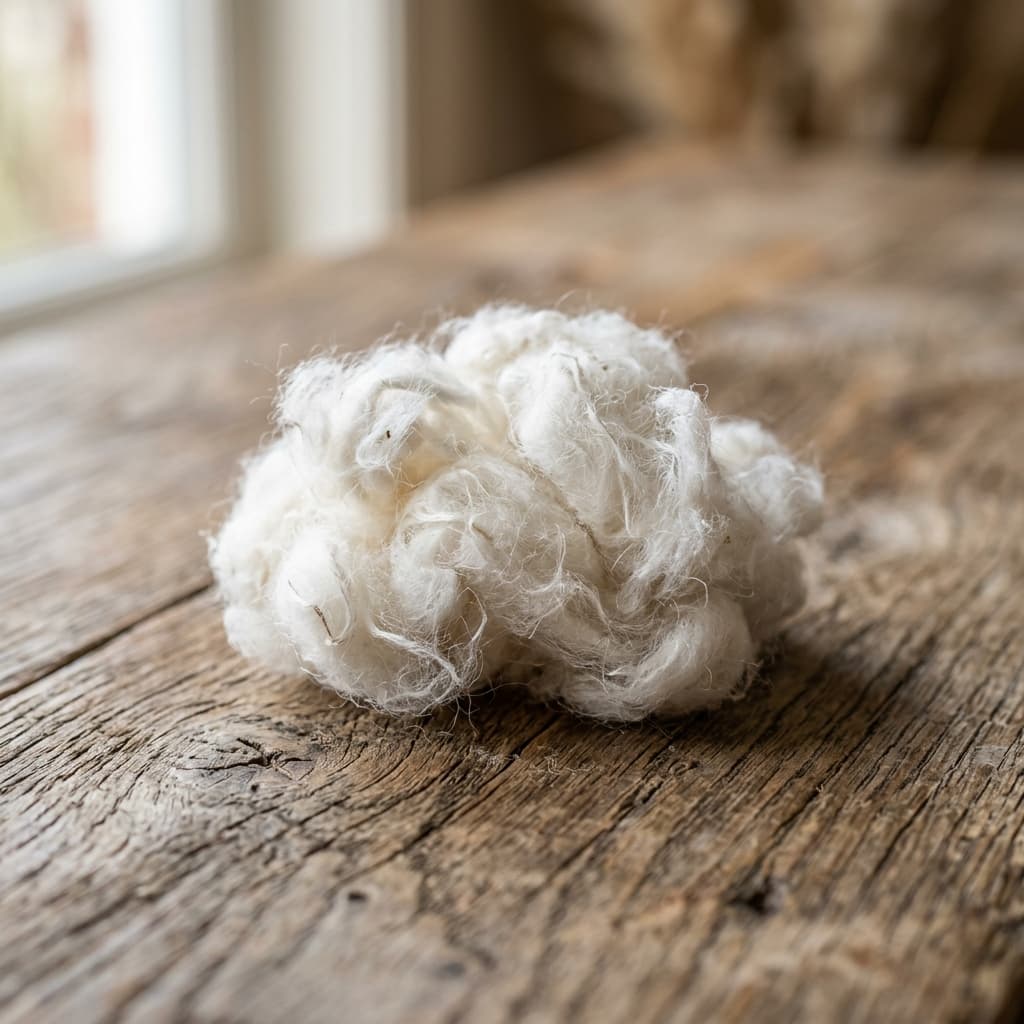


The global fashion industry is undergoing a fundamental reckoning with its environmental impact. As consumers become increasingly informed about the true cost of fast fashion — from microplastic pollution to exploitative labour practices — a growing segment of the market is actively seeking alternatives rooted in transparency, craftsmanship, and ecological responsibility. Indian handloom textiles, with their zero-emission production, biodegradable fibres, and deep artisan heritage, are uniquely positioned to meet this demand. The challenge lies in bridging the gap between traditional craft ecosystems and the operational requirements of modern fashion brands.
GOTS (Global Organic Textile Standard) certification has emerged as the gold standard for brands seeking verifiable sustainability credentials. The certification covers the entire supply chain, from the organic cultivation of raw fibres through environmentally responsible processing, manufacturing, and labelling. For Indian cotton handlooms, GOTS certification requires that the cotton be grown without synthetic pesticides or genetically modified seeds, that all dyes and auxiliary chemicals meet strict toxicity thresholds, and that fair labour practices are maintained throughout production. While the certification process is rigorous and costly, it provides brands with a credible, internationally recognised framework for sustainability claims that withstand scrutiny.
The economics of eco-friendly handloom production challenge conventional wholesale pricing models. Handloom fabric inherently costs more than power-loom equivalents — typically three to five times more per metre — due to lower production volumes and higher labour intensity. Organic certification adds further costs through mandatory soil testing, separate storage facilities, and annual auditing fees. However, the premium that conscious consumers are willing to pay for genuinely sustainable textiles has been rising steadily. Research from the Textile Exchange shows that the global organic cotton market has grown by over fifteen per cent annually for the past five years, with demand consistently outstripping supply.
Fair-trade partnerships between brands and artisan cooperatives are reshaping the handloom supply chain. Traditional middleman structures, where multiple intermediaries extract margins between the weaver and the end buyer, have historically suppressed artisan incomes to unsustainable levels. Direct-trade models, facilitated by digital platforms and transparent pricing, allow brands to pay weavers fair wages while maintaining competitive retail pricing. Cooperatives like SEWA (Self-Employed Women's Association) in Gujarat and Dastkar Andhra in Telangana have pioneered this approach, providing their member weavers with design inputs, quality standards, and market access that were previously monopolised by traders.
Design innovation is crucial for making handloom textiles relevant to contemporary fashion. The perception of handloom as exclusively ethnic or traditional has limited its market penetration in urban and international contexts. Forward-thinking designers are now collaborating directly with weaver clusters to develop fabrics that combine handloom's inherent qualities — irregular texture, natural lustre, breathability — with contemporary aesthetics. Minimalist stripes on handwoven linen, tone-on-tone jacquard patterns in organic cotton, and plant-dyed gradient effects on silk-cotton blends are finding enthusiastic buyers among premium lifestyle brands in Europe, North America, and East Asia.
The digital infrastructure supporting eco-friendly handloom commerce continues to mature. Blockchain-based traceability systems now allow consumers to scan a QR code on a garment and trace its journey from the specific weaver's loom through every stage of processing to the retail shelf. This radical transparency builds consumer trust and justifies premium pricing. For wholesalers like Mithila Enterprises, investing in digital traceability is not merely a marketing exercise but a strategic imperative: as regulatory frameworks like the EU's proposed textile sustainability directive tighten, verifiable supply chain documentation will transition from competitive advantage to legal requirement.