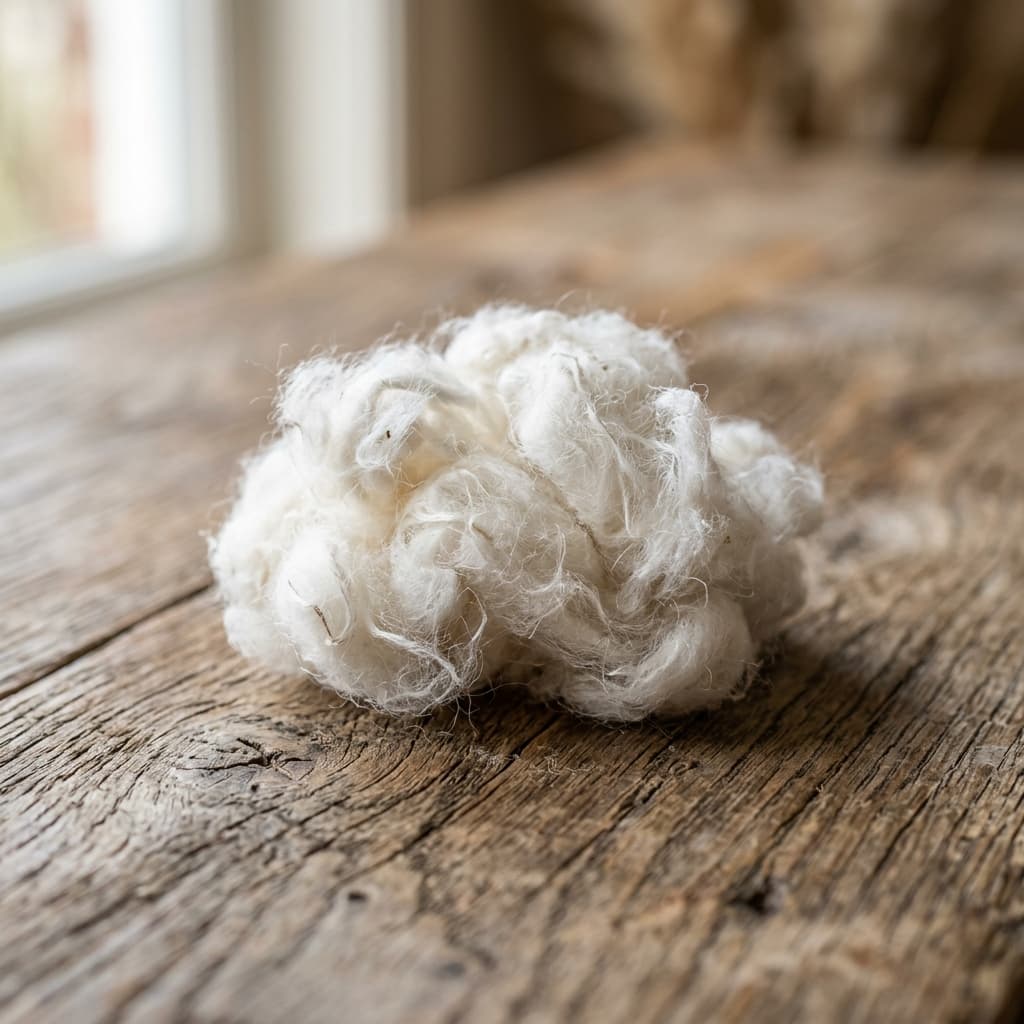
Cotton quality is not a single attribute but a complex matrix of measurable fibre properties that collectively determine how the raw material will spin, weave, and ultimately feel against the skin. For textile wholesalers and fabric buyers, understanding these quality parameters is essential for making informed purchasing decisions and communicating value to downstream customers. India, as the world's largest cotton producer and second-largest exporter, cultivates a remarkably diverse range of cotton varieties, each with distinct quality profiles suited to different end uses.
Staple length is the most fundamental quality parameter in cotton grading. It refers to the average length of individual cotton fibres, measured in millimetres or inches. Indian cotton is broadly classified into three staple categories: short staple (below 20mm), medium staple (20 to 25mm), and long staple (above 25mm). Extra-long staple (ELS) varieties like Suvin and DCH-32, grown primarily in Tamil Nadu and Karnataka, produce fibres exceeding 32mm and command premium prices comparable to Egyptian Giza cotton. Longer fibres produce smoother, stronger yarns with fewer joins, resulting in fabrics with superior lustre, reduced pilling, and exceptional drape.
Fibre fineness, measured in micronaire units, is equally critical to fabric quality. Micronaire readings indicate the air permeability of a compressed cotton sample, which correlates with both fibre diameter and maturity. Readings between 3.5 and 4.9 are considered ideal for most textile applications. Cotton with micronaire below 3.5 tends to produce neps (small knots of immature fibres) that create surface defects in finished fabric, while readings above 5.0 indicate coarse fibres that feel rough and absorb dye unevenly. Premium Indian varieties like Shankar-6 from Gujarat and MCU-5 from Tamil Nadu consistently produce micronaire readings in the optimal range.
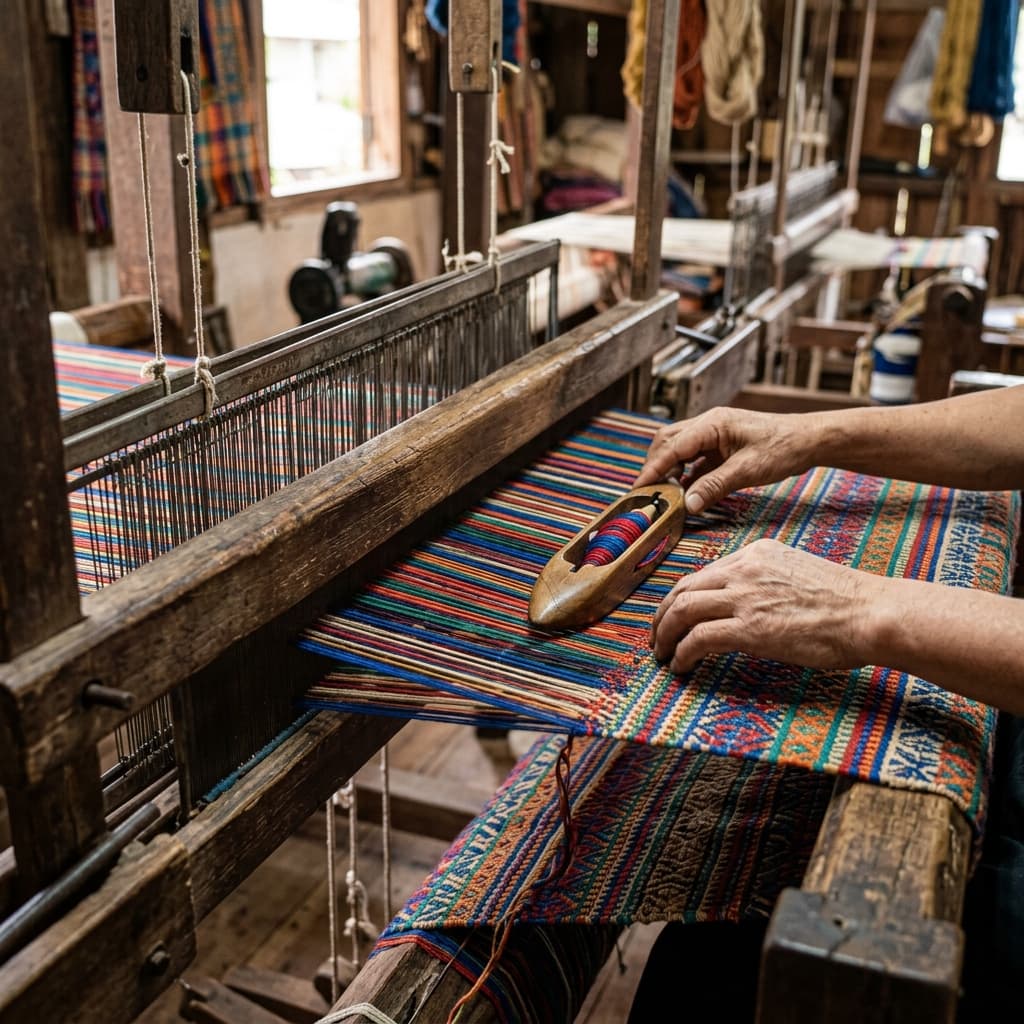
Fibre strength, measured in grams per tex (g/tex), determines the yarn's tensile performance during weaving and the fabric's resistance to tearing during use. High-tenacity cotton with strength readings above 30 g/tex can be spun into finer counts without breaking, enabling the production of lightweight yet durable fabrics. This property is particularly important for handloom weaving, where the mechanical stresses of shuttle passage and beat-up force can break weaker yarns. Indian Suvin cotton, with typical strength readings of 35 to 40 g/tex, is one of the strongest commercial cotton varieties globally, making it ideal for high-count handloom sarees and fine shirting.
The uniformity index measures the consistency of fibre length within a sample. Cotton with a high uniformity index (above 83 per cent) produces yarns with consistent diameter and twist, resulting in fabrics with even surface texture and predictable shrinkage behaviour. Low uniformity cotton, containing a wide distribution of short and long fibres, creates yarns with thick and thin spots that manifest as visible irregularities in the finished fabric. For wholesale buyers specifying consistent quality across large orders, insisting on a minimum uniformity index is as important as specifying staple length.
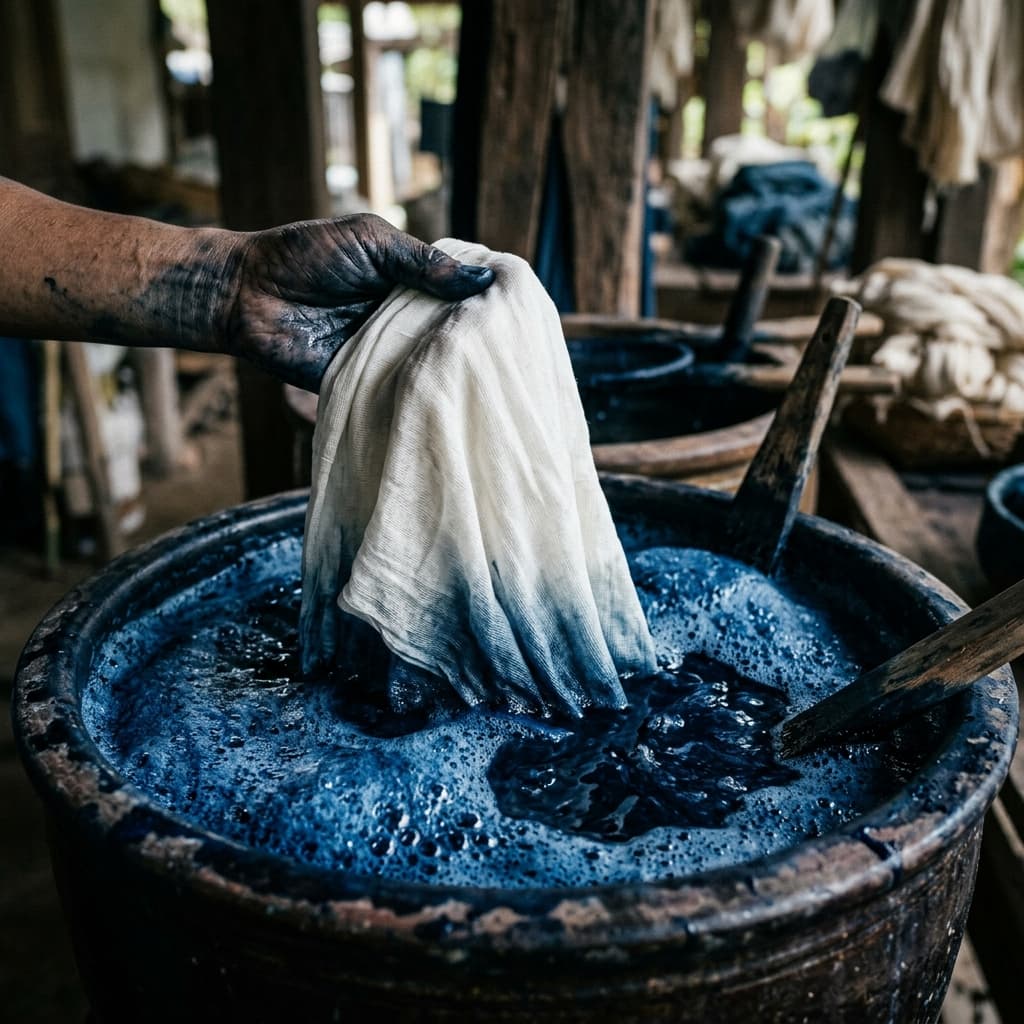
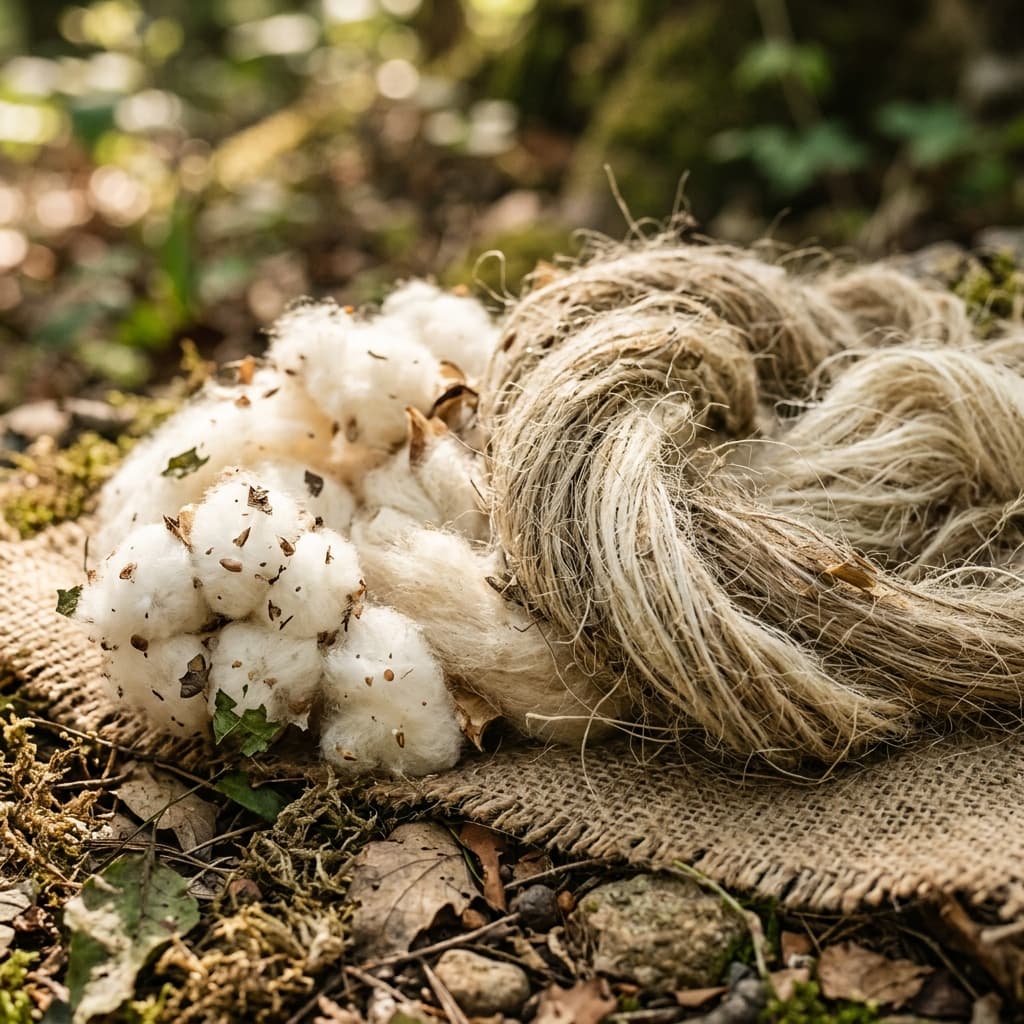
Colour grade and trash content round out the primary quality parameters. Indian cotton is graded on a colour scale from "white" through "light spotted" to "spotted" and "tinged," with white cotton commanding the highest prices due to its versatility in dyeing. Trash content — the percentage of leaf fragments, stem particles, and other non-lint material — affects processing efficiency and fabric cleanliness. Machine-picked cotton typically contains higher trash levels than hand-picked cotton, which is why Indian hand-harvested cotton, despite its higher labour cost, often produces cleaner raw material with lower processing waste. For naturally dyed textiles, where clean white base cloth is essential for accurate colour reproduction, hand-picked extra-long staple cotton represents the pinnacle of raw material quality.