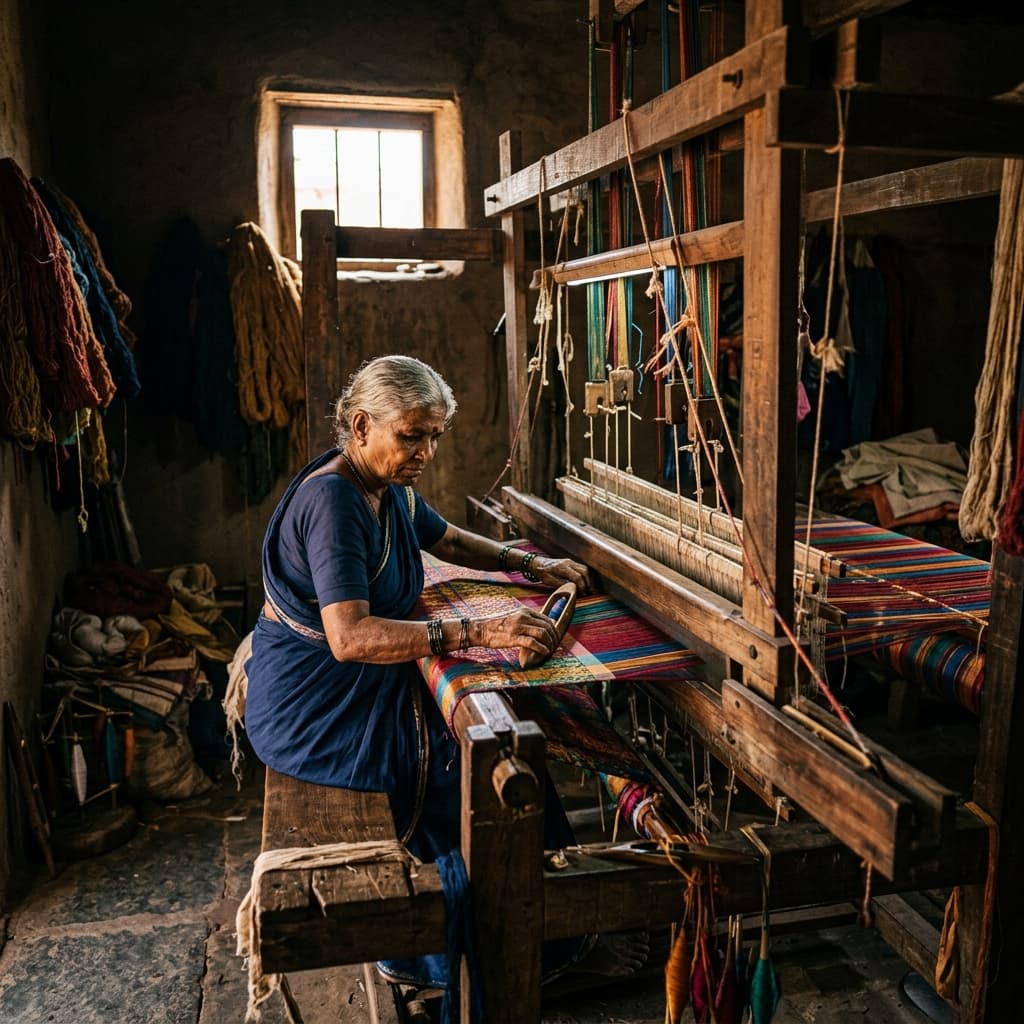
India's handloom tradition is one of the most extraordinary examples of living intangible cultural heritage on earth. With over 3.5 million active handloom households according to the Fourth All India Handloom Census, the country sustains the largest community of hand-weavers anywhere in the world. Each weaving cluster — from the Jamdani weavers of Nadia district in West Bengal to the Ikat artisans of Pochampally in Telangana — carries a distinct textile vocabulary developed over centuries of experimentation, cultural exchange, and adaptation to local materials and climate.
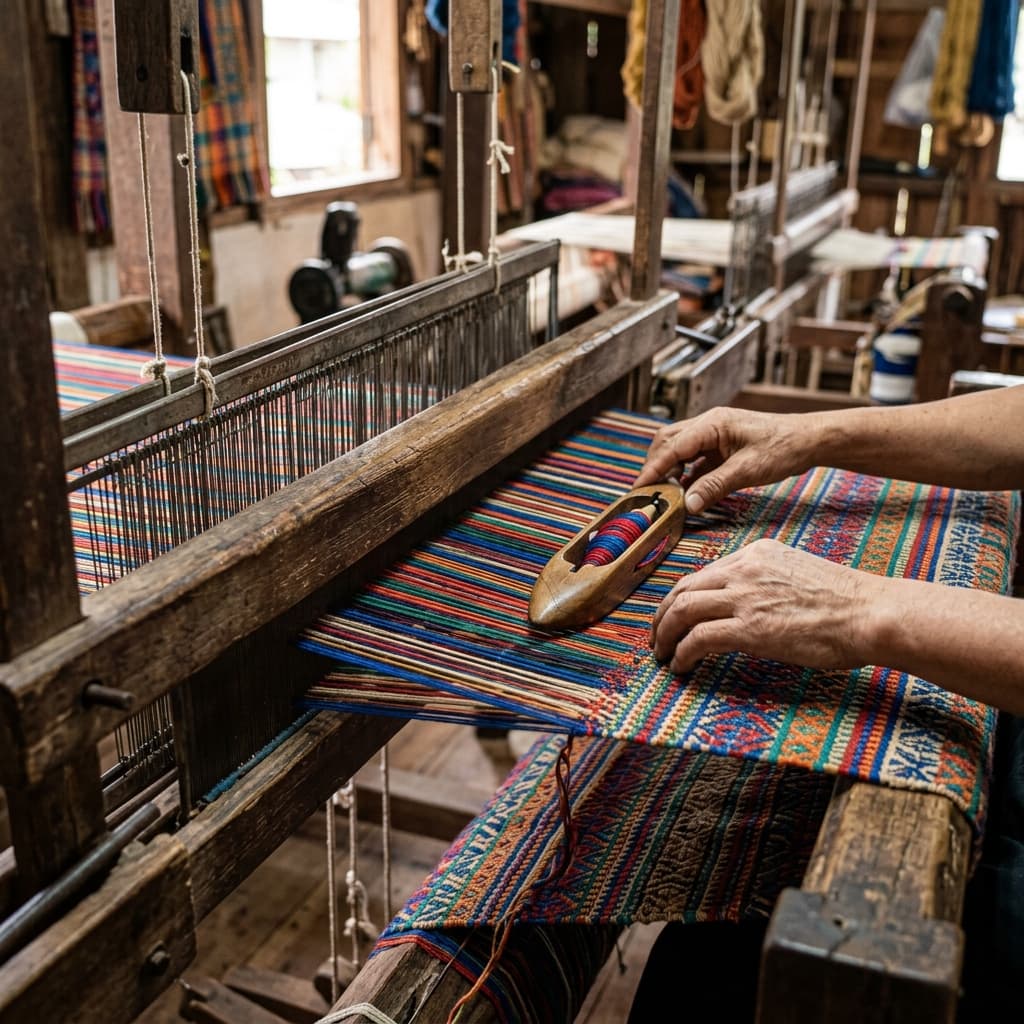
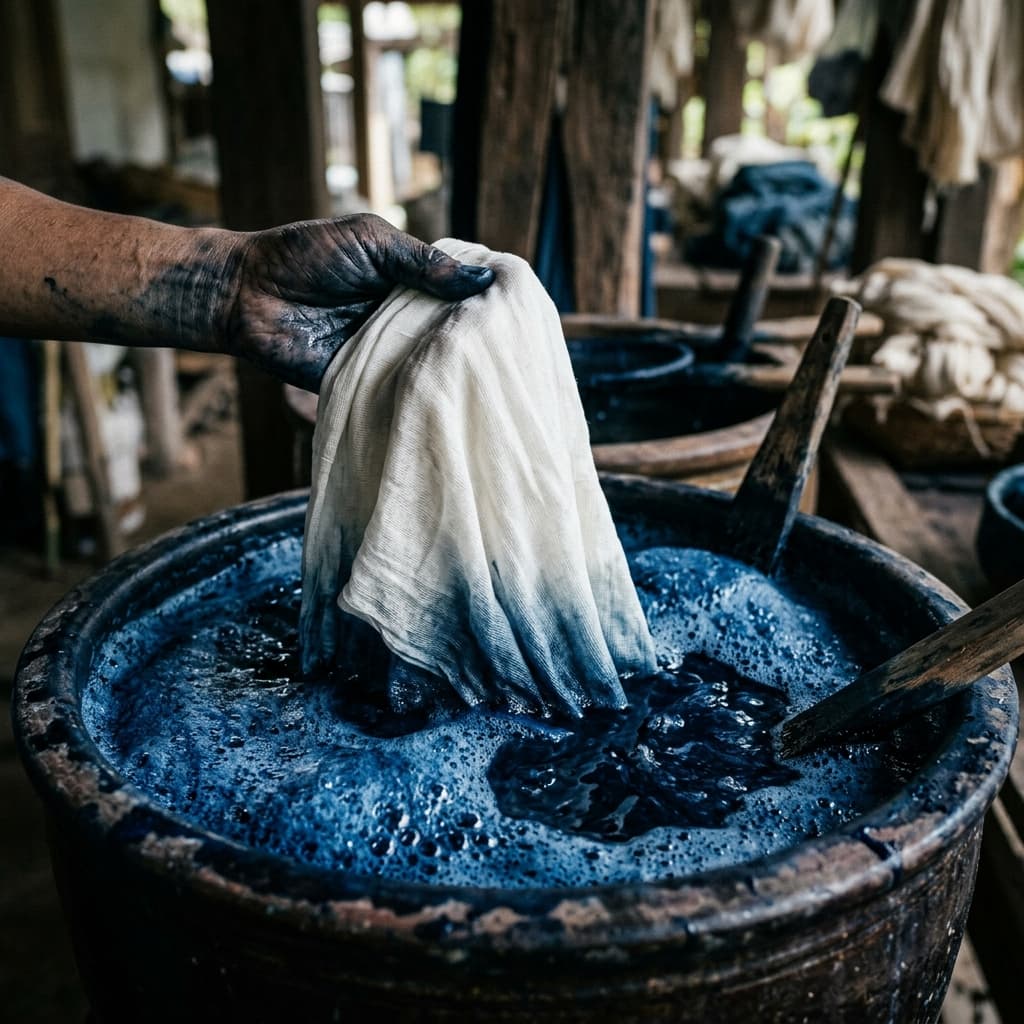
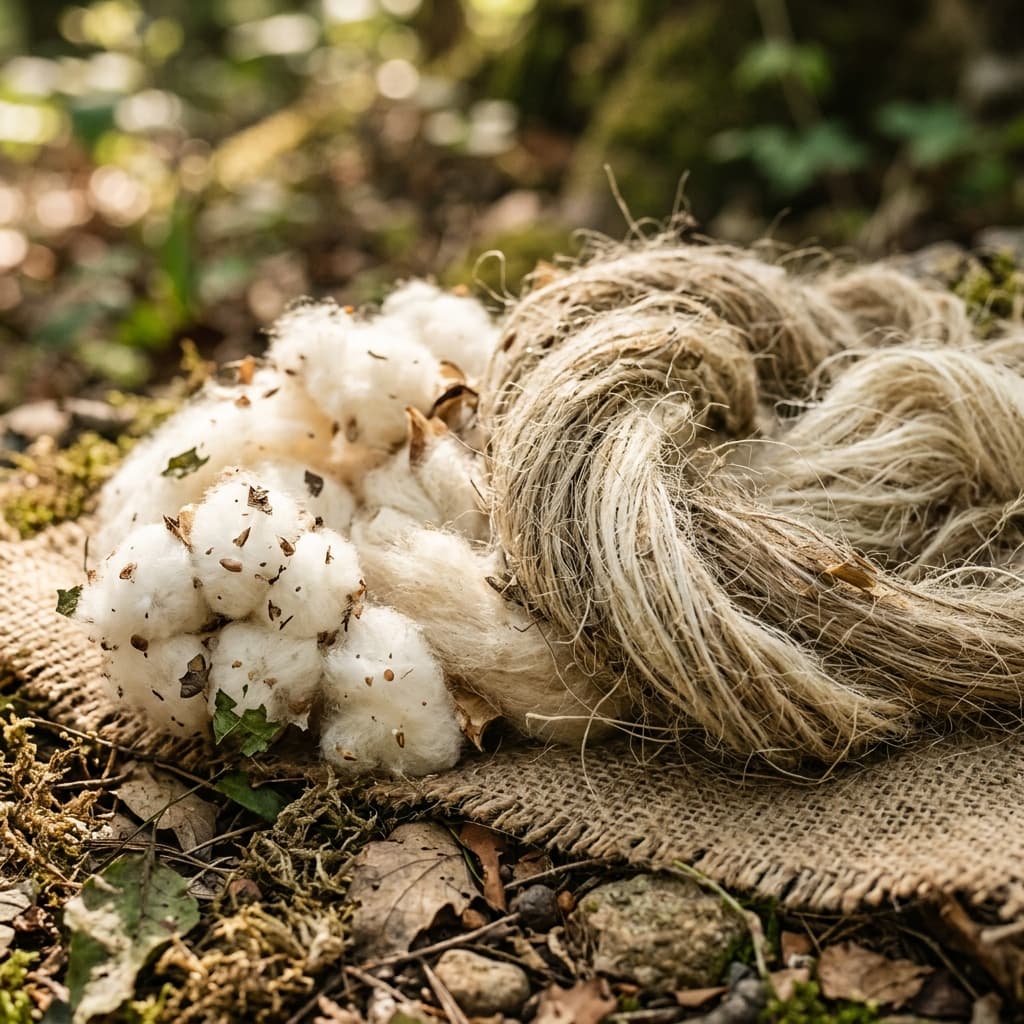
The weaving communities of Bihar's Bhagalpur district exemplify both the richness and the fragility of this heritage. Known as the "Silk City of India," Bhagalpur has been producing tussar silk textiles for over two thousand years. The region's unique contribution to global textile culture is the "Bhagalpuri Chadar," a lightweight silk fabric with a distinctive texture produced by the natural irregularity of wild tussar silk fibres. The entire production process — from cocoon collection in the Santhal Parganas forests to reeling, dyeing with local materials like aal root and lac, and weaving on traditional throw-shuttle pit looms — is embedded within a knowledge ecosystem that depends on intergenerational transmission within weaving families.
The greatest threat to handloom heritage is not competition from power looms, though that pressure is real and constant. The fundamental challenge is demographic: young people in weaving communities increasingly choose urban employment over the physically demanding, irregularly compensated work of handloom weaving. A survey conducted by the Handloom Weavers' Development Society found that over sixty per cent of weavers' children do not intend to continue the family craft. When a master weaver retires without an apprentice, the specific techniques, pattern vocabularies, and material knowledge that person carries are permanently lost. Unlike documented industrial processes, handloom expertise is largely embodied knowledge — learned through the hands, eyes, and rhythm of the body rather than from written instructions.
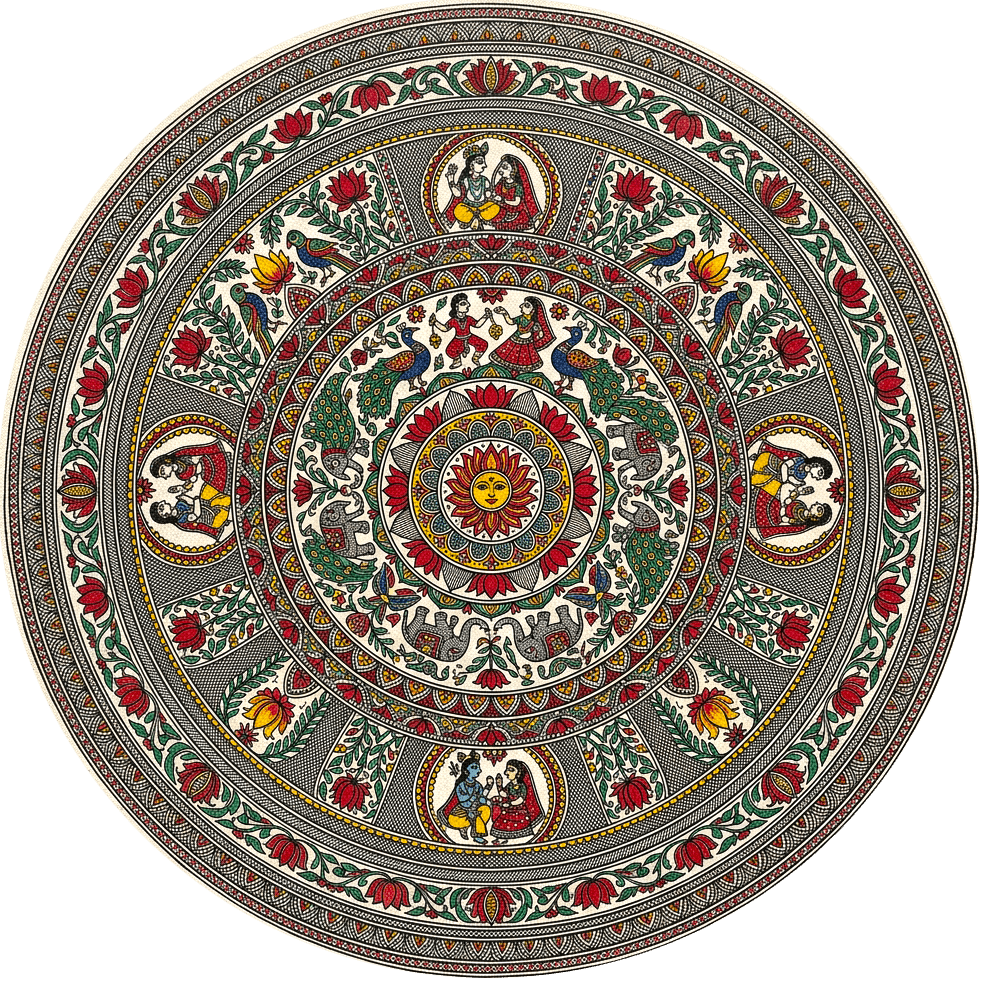
Community-based preservation initiatives are emerging as the most effective response to this challenge. The Dastkar Haat Samiti, founded by Laila Tyabji, has pioneered a model where urban designers collaborate with rural artisan groups to develop contemporary products that command premium prices, thereby making handloom economically viable for the next generation. In Madhubani district of Bihar, organisations like the Mithila Art Institute are training young people not only in traditional weaving techniques but also in design thinking, digital marketing, and cooperative management — building the business skills necessary to sustain craft livelihoods in a competitive marketplace.
Geographical Indication (GI) tagging has provided important legal and commercial protection for regional textile traditions. Chanderi silk, Pochampally Ikat, Kancheepuram silk, Bhagalpuri silk, and over forty other Indian handloom products now carry GI tags that legally prevent imitation and establish provenance. For consumers, a GI tag is assurance that the fabric was produced in its designated region using authenticated traditional methods. For artisan communities, GI status creates a defensible market identity and supports premium pricing. However, effective GI protection requires ongoing monitoring and enforcement — challenges that under-resourced weaver cooperatives struggle to meet without institutional support.
The role of wholesale textile businesses in heritage preservation deserves greater recognition. Companies like Mithila Enterprises that maintain direct relationships with weaving cooperatives serve as critical connectors between artisan producers and commercial markets. By placing consistent orders, providing advance payments that cover raw material costs, and communicating market trends back to weaving clusters, responsible wholesalers create the economic stability that allows artisan families to invest in training the next generation. This is not charity — it is sound business built on the understanding that the unique qualities of handloom textiles are inseparable from the communities that produce them.