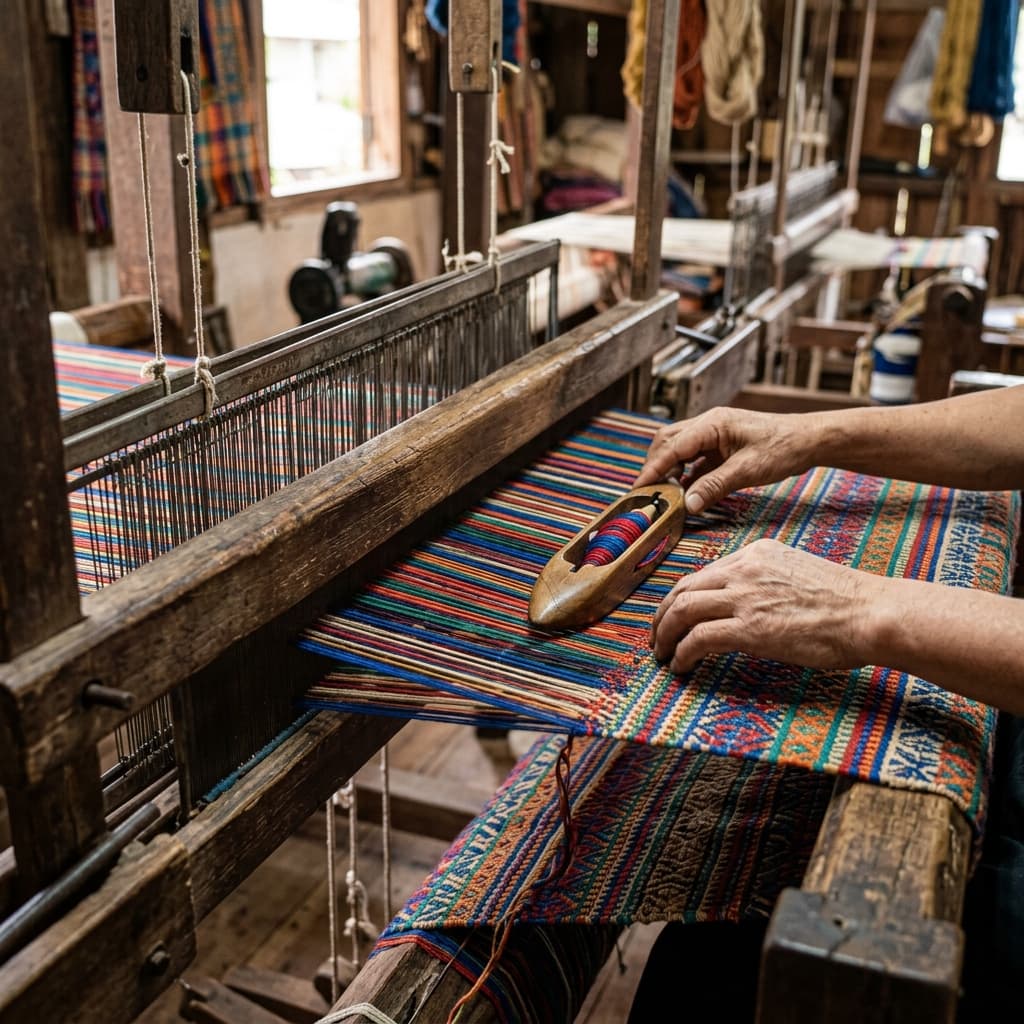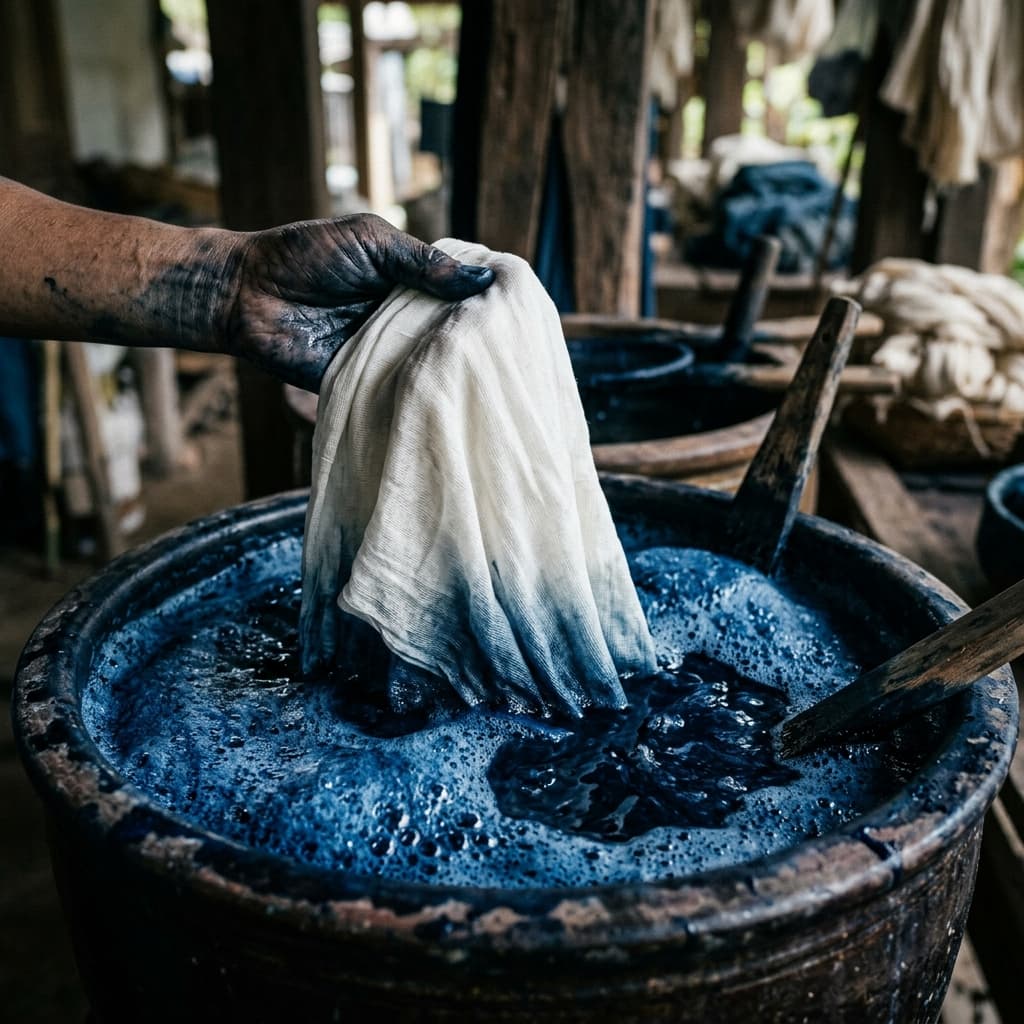

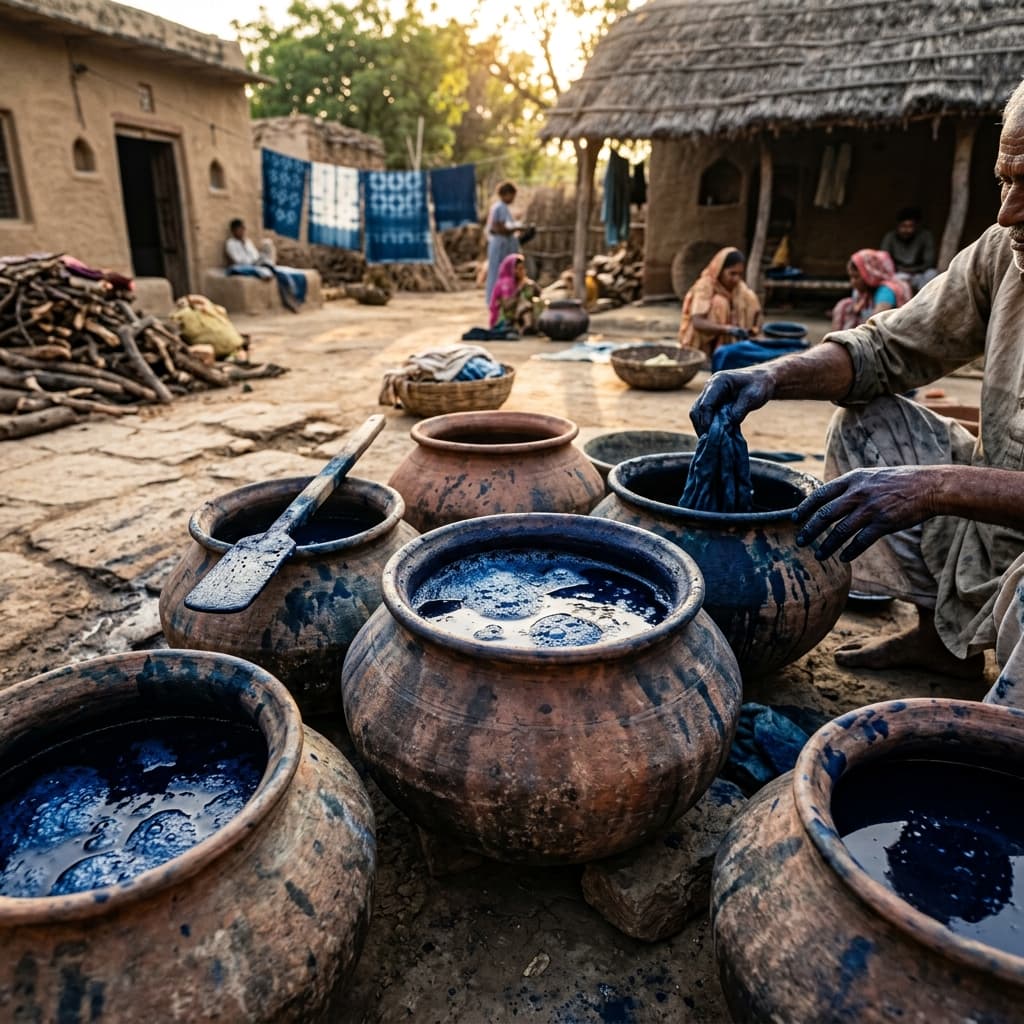

The concept of a circular economy — where materials are kept in use for as long as possible, waste is designed out of production systems, and natural systems are regenerated rather than depleted — has become central to contemporary sustainability discourse. While the term is relatively new, the principles it describes have been embedded in Indian textile traditions for centuries. Traditional handloom production, with its biodegradable natural fibres, plant-based dyes, minimal energy inputs, and culture of repair and reuse, represents one of the oldest functioning circular economies in the world. The challenge for India's textile industry today is to scale these inherently sustainable practices while meeting the volume and consistency demands of modern commerce.
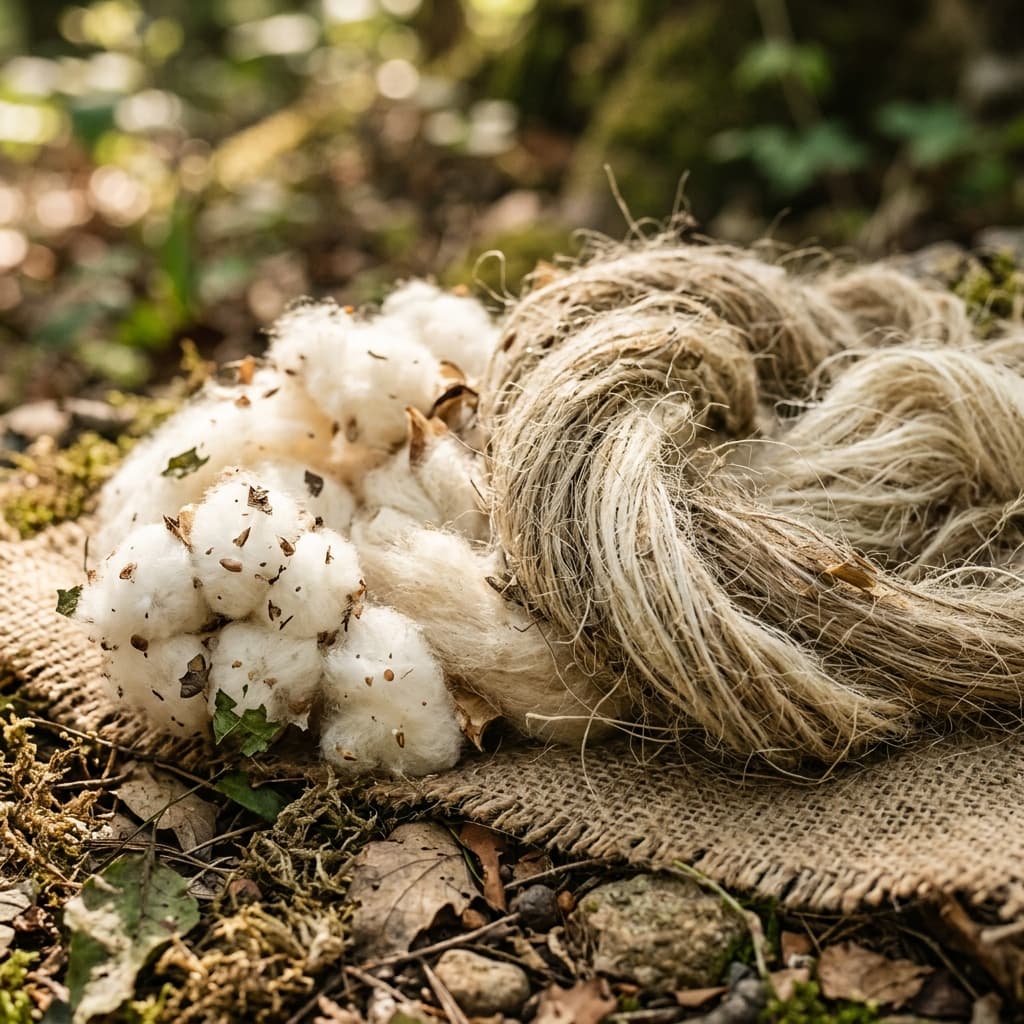
Natural fibres are the foundation of textile circularity. Cotton, linen, silk, wool, and jute are all biodegradable materials that return to the soil at end of life without contributing to microplastic pollution. This is a critical advantage over synthetic textiles: every wash cycle of a polyester garment releases hundreds of thousands of plastic microfibres into waterways, where they persist for centuries and enter food chains. Indian cotton, particularly when grown organically without synthetic pesticides, offers a genuinely circular fibre pathway — the plant draws carbon from the atmosphere during growth, the fibre serves its useful life as a textile, and the discarded fabric decomposes into organic matter that nourishes the next growing cycle.
Zero-waste weaving is an area where traditional Indian techniques offer lessons that modern industrial production has largely forgotten. In handloom production, the weaver controls fabric width precisely to the finished garment dimensions, minimising cutting waste. Traditional Indian garments like the saree, dhoti, and lungi are designed as uncut rectangular fabric lengths that require no tailoring waste whatsoever. This zero-cut design philosophy, which sustained Indian dress culture for millennia before Western-style tailoring was introduced, is now being rediscovered by contemporary designers exploring waste-free pattern cutting. Brands like Anavila Misra's linen saree label have demonstrated that zero-waste textile design can be commercially successful in premium fashion markets.
Water stewardship represents one of the textile industry's most pressing circular economy challenges. Conventional cotton cultivation is notoriously water-intensive, with estimates suggesting that producing one kilogram of raw cotton requires between 10,000 and 20,000 litres of water. However, these figures are heavily skewed by irrigated cultivation in arid regions. Rain-fed cotton, which accounts for approximately sixty-five per cent of India's cotton production, relies entirely on monsoon rainfall and has a dramatically lower water footprint. Supporting rain-fed organic cotton cultivation in regions with adequate natural rainfall — such as the black soil tracts of Vidarbha, Marathwada, and parts of Madhya Pradesh — is both environmentally responsible and economically strategic for a warming, water-stressed world.
The afterlife of textiles is the most underdeveloped link in the circular economy chain. India has a robust informal economy of textile recycling centered in Panipat, Haryana, where thousands of small enterprises sort, shred, and re-spin post-consumer clothing into recycled yarn and filler material. This "shoddy" industry processes millions of tonnes of textile waste annually, making Panipat one of the world's largest textile recycling hubs. However, the quality of recycled output is limited by the heterogeneous nature of incoming waste — mixed fibres, non-removable trims, and synthetic blending make it difficult to produce recycled yarns suitable for high-quality fabric production. Designing for recyclability at the initial production stage is essential to improving these outcomes.
For textile wholesalers committed to circular economy principles, the actionable priorities are clear: source natural fibres from verified organic and rain-fed cultivation, support artisan production systems that generate minimal waste, invest in natural dyeing that eliminates toxic effluent, and advocate for mono-fibre fabric specifications that enable clean end-of-life recycling. These choices involve trade-offs — organic cotton costs more, natural dyes require more processing time, and mono-fibre fabrics sacrifice some performance characteristics of blends. But the trajectory of regulation, consumer preference, and ecological necessity all point in the same direction. The textile businesses that will thrive in the coming decades are those building circular supply chains today.